Wyssen Skyline Crane – A Key Technology for a Resilient Protection Forest of the Future
WSL Insights & Wyssen Cable Cranes
1. Background: Climate Change Requires Adapted Forest Management
Research from the Swiss Federal Institute for Forest, Snow and Landscape Research (WSL) shows that Swiss forests are increasingly stressed by climate change. Rising temperatures, more frequent drought periods, and higher pressure from insects are causing mortality, reduced growth, and instability in many forest stands. Particularly spruce and beech at climate‑sensitive sites already show significant damage, as highlighted in the Swiss Forest Report 2025.
At the same time, WSL emphasizes that structurally rich, species‑diverse, and well‑maintained forests are far better adapted to climate change and will continue to provide critical protection functions in alpine regions. To achieve this, active and carefully planned forest management is essential — especially in steep and inaccessible mountain terrain. WSL states that around 70% of Swiss forests are managed to maintain protection functions, biodiversity, and long‑term timber production.
2. The Challenge in Steep Terrain: Maintaining Protection While Minimizing Damage
Mountain forests provide essential natural protection:
- Rockfall and avalanche protection
- Slope and soil stabilization
- Regulation of water and drinking water filtration
- Protection of settlements and critical infrastructure
Many of these protection forests are over‑aged, unstable, or stressed, requiring targeted interventions to restore resilience and promote young, future‑proof stands. WSL research shows that mountain forests are particularly sensitive — affected by wildlife browsing, climate stress, and natural hazards — while management is made difficult by terrain and limited accessibility
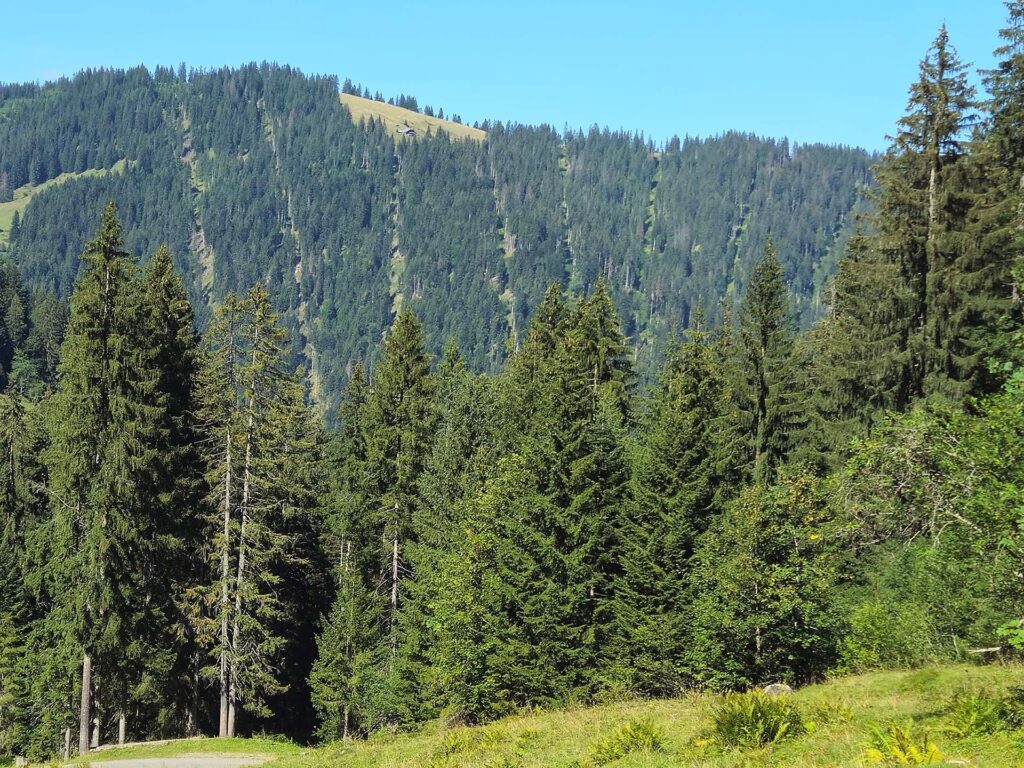
Examples of Wyssen “Skyline Corridors”
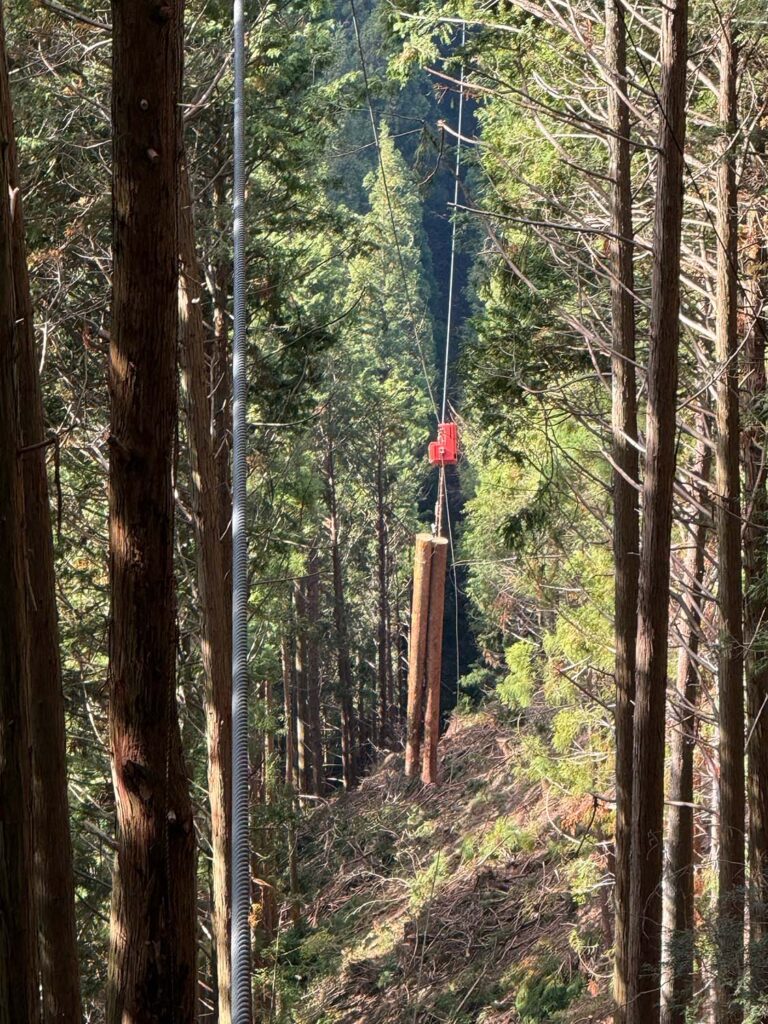
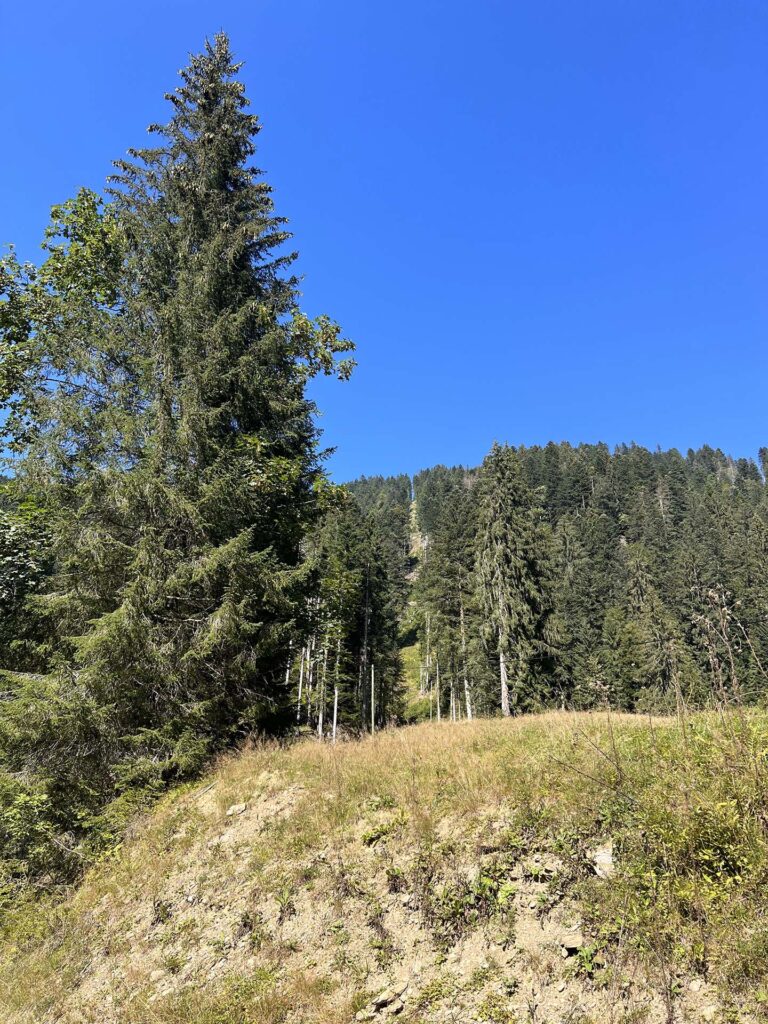
Examples of Wyssen “Skyline Corridors”
3. Cable Yarders: The Optimal Solution for Sustainable Mountain Forest Management
In steep and inaccessible terrain, cable yarders are widely recognized as the most environmentally friendly and least damaging timber extraction method. Their advantages align perfectly with the WSL’s recommendations for climate‑resilient, close‑to‑nature forest management.
Minimal Impact on Soil and Forest Structures
Because logs are transported aerially, cable yarding avoids:
- skid trails
- soil erosion
- compaction from heavy machinery
This directly supports the gentle, soil‑protecting forest management that WSL recommends for protection forests and sensitive mountain regions.
Maintaining Forest Protection Functions
In protection forests, precision and low disturbance are crucial. Wyssen cable yarders allow:
- targeted, selective interventions
- protection of young regeneration
- preservation of stand structure
- continued full protection function of the forest
Effective in Extreme Terrain
WSL highlights the difficulty of managing mountain forests due to steep slopes, browsing, and long transport distances. Cable yarders overcome these challenges by:
- spanning hundreds of meters
- operating in slopes over 100%
- transporting timber and materials safely and efficiently
Sustainable, Efficient, Future‑Secure
With Wyssen cable yarders:
- forest management remains feasible long‑term
- forests are stabilized for future generations
- climate‑related risks are reduced
- natural regeneration is protected
- ecological balance in mountain forests is strengthened
These outcomes directly support WSL’s goal of developing resilient, structurally rich, climate‑stable forests.
4. Conclusion for Forest Owners, Services, and Authorities
The scientific findings are clear:
Only active, careful, and soil‑protecting management will create forests that remain stable, vital, and resilient 100 years from now
Wyssen cable yarders:
- enable sustainable forest work in the most difficult terrain
- protect soil, regeneration, and biodiversity
- safeguard the protection functions of mountain forests
- align with the latest scientific recommendations from WSL
They are a key technology for the future of mountain forest management.